
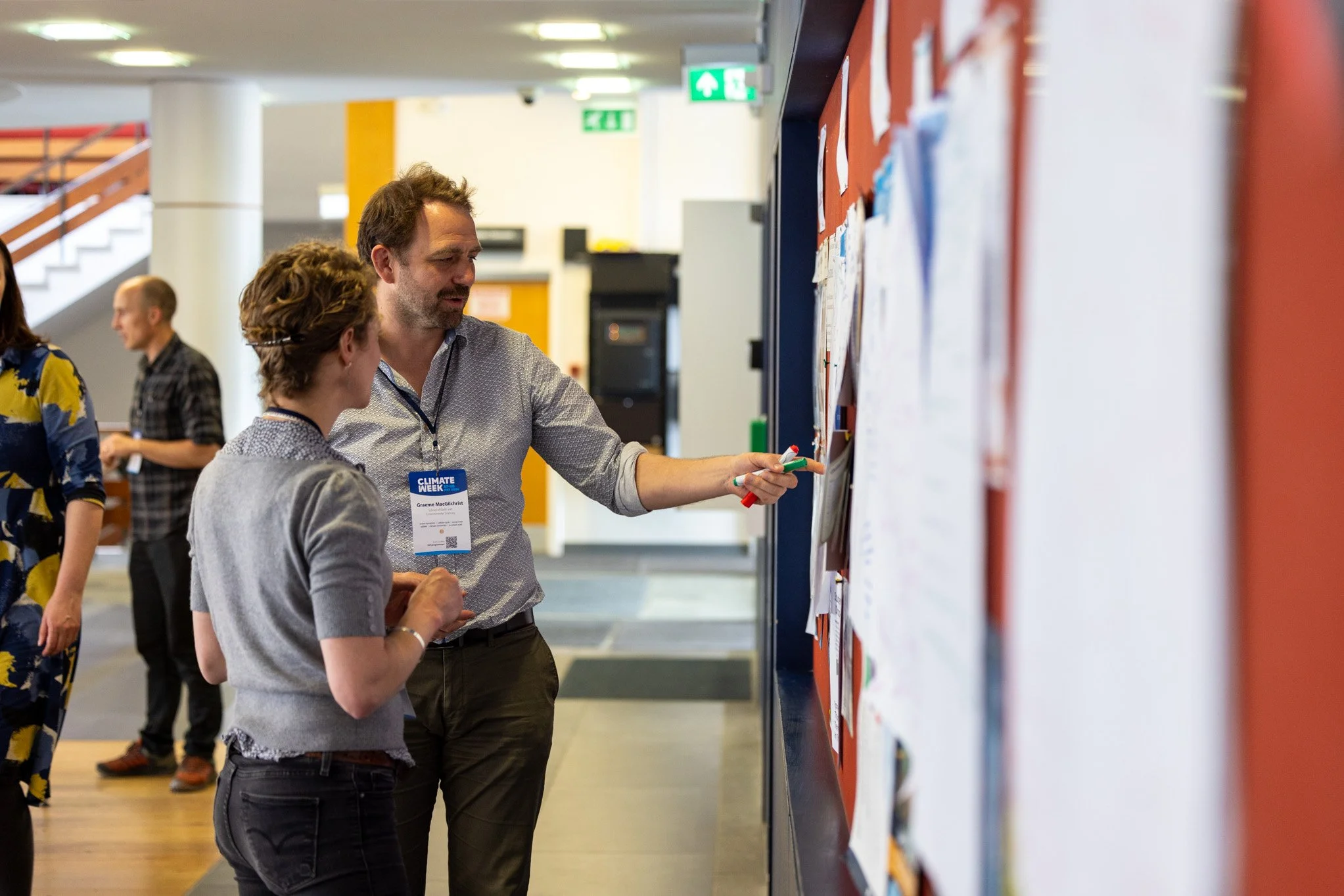
STEERING GROUP
-
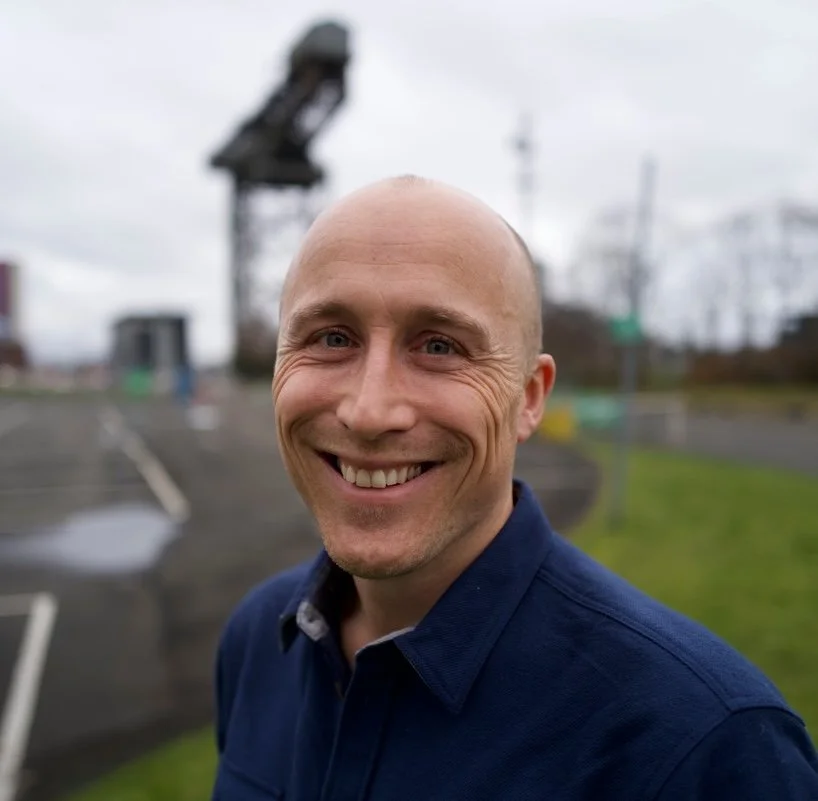
James Rae, Director
SCHOOL OF EARTH AND ENVIRONMENTAL SCIENCES
My research focuses on reconstructing past climate change and its causes. I'm interested in topics including Earth’s climate sensitivity, altered modes of ocean circulation, and controls on the carbon cycle. I also deliver regular publics events on climate change and the energy transition.
-
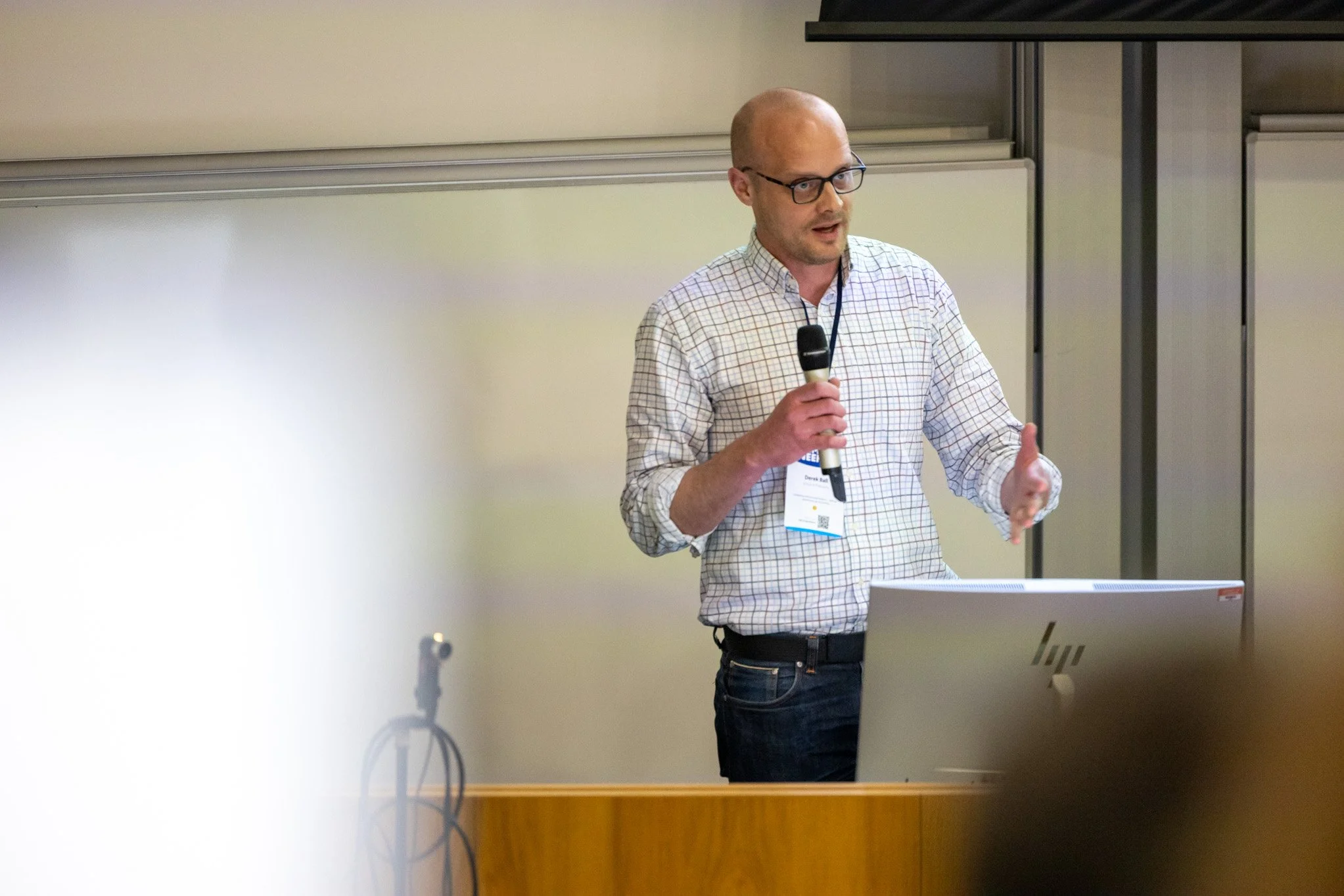
Derek Ball
SCHOOL OF PHILOSOPHY
My research focuses on ethical issues about climate change, including greenhouse gas accounting and our understanding of net zero. I also have research interests in the philosophy of mind and language.
-
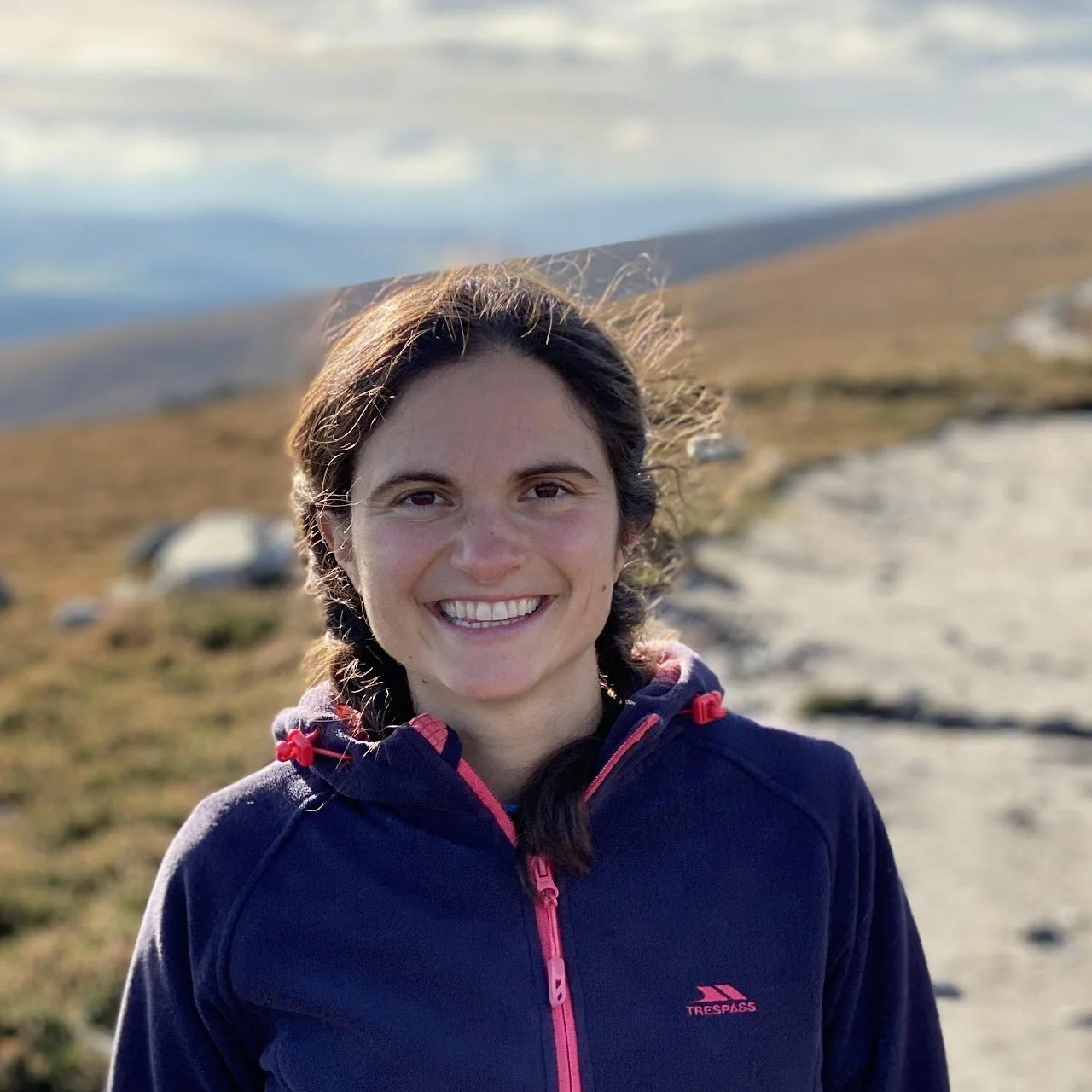
Andrea Burke
SCHOOL OF EARTH AND ENVIRONMENTAL SCIENCES
My research focuses on the forcings and mechanisms of climate and carbon cycle change through geochemical records and modelling of past climatic events. -
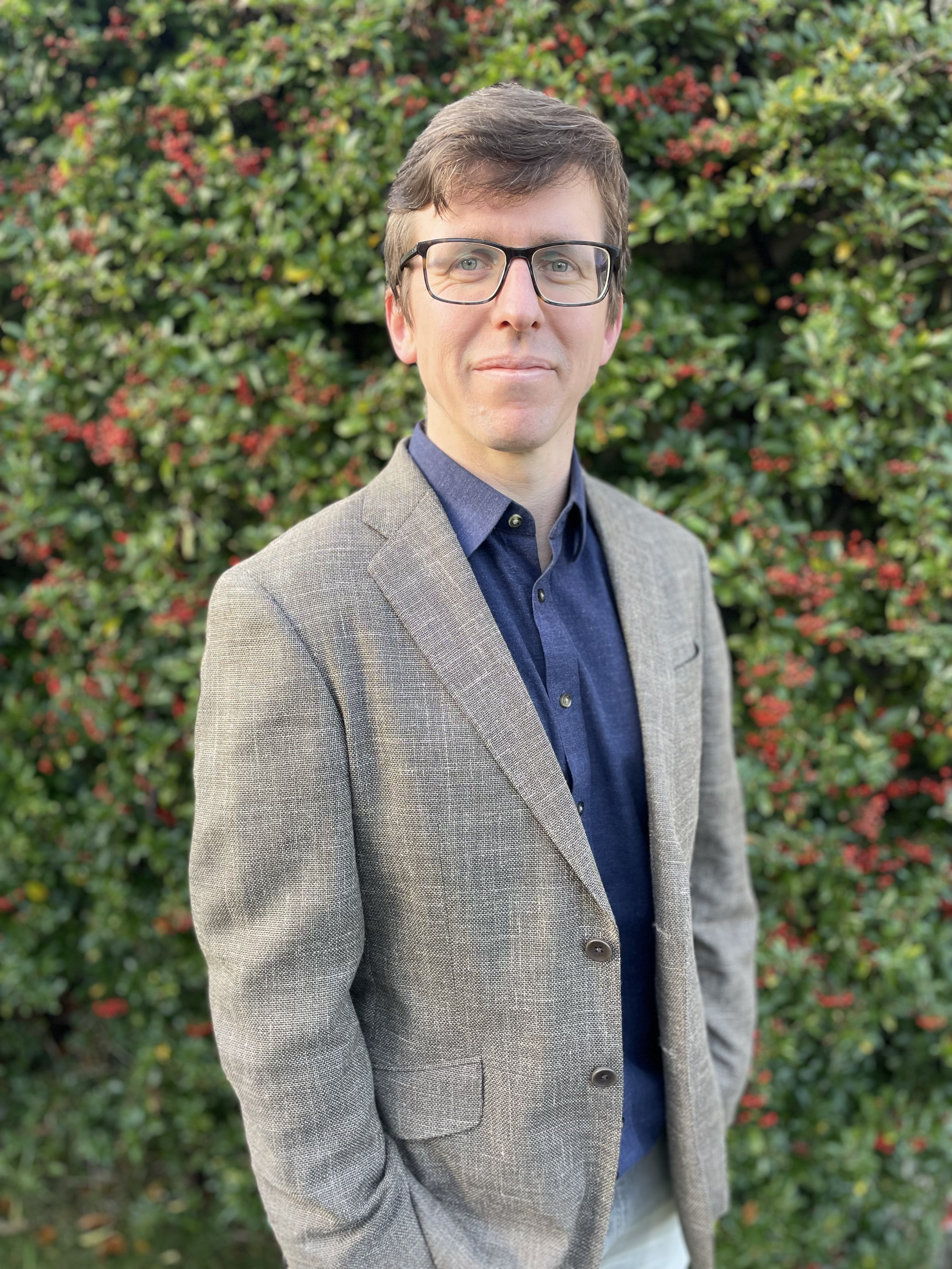
Mike Byrne
SCHOOL OF EARTH AND ENVIRONMENTAL SCIENCES
I lead the Climate Dynamics Lab at St Andrews, studying the fundamental processes controlling Earth’s climate. To advance understanding, I build new physical theories and combine these with a hierarchy of numerical models and observational data. -
Jason König
SCHOOL OF CLASSICS
I am a classicist with interests in the Roman Empire and late antiquity. My research focuses on the history and representation of human-environment relations in the ancient Mediterranean, and on environmental humanities approaches to the history of mountains and mountaineering.
-
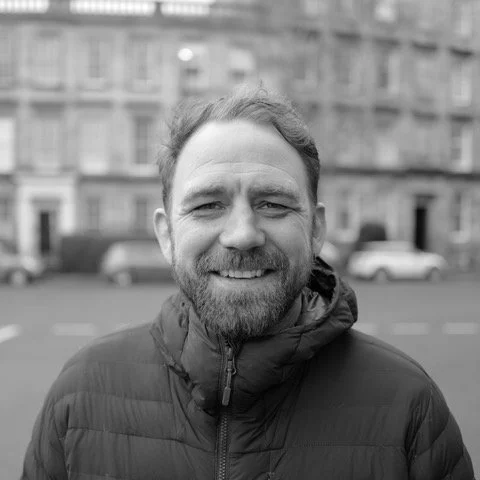
Graeme MacGilchrist
SCHOOL OF EARTH AND ENVIRONMENTAL SCIENCES
I am an oceanographer and climate scientist. My research is concerned with understanding how climate-relevant tracers, such as heat and carbon dioxide, are taken up by, stored within, and transported around the ocean.
-
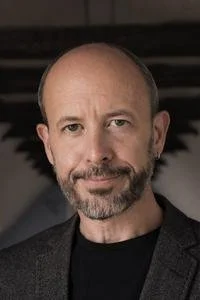
James Palmer
SCHOOL OF HISTORY
My research focuses on culture and religion c. 400-900. I am particularly interested in the movement of ideas and people across Eurasia and Africa and the consequences of the exchanges involved. -
Nicole Tausch
SCHOOL OF PSYCHOLOGY AND NEUROSCIENCE
I am a social psychologist broadly interested in intergroup relations and conflict, prejudice and discrimination, and social perception. Recently this has included intergroup relations surrounding climate protest and other action. -
Mara van der Lugt
SCHOOL OF PHILOSOPHY
I am a lecturer in philosophy at the University of St Andrews, working mainly on the history of philosophy (17th C – current day) but also on issues in contemporary philosophy, such as environmental ethics, animal ethics, and the philosophy of climate change.
TOPIC LEADS
Adaption & Mitigation
Steering Group Members:
Derek Ball
Nicole Tausch
Ralitza Nikolaeva
BUSINESS SCHOOL
Ralitza Nikolaeva is currently working on the blind side of disregarding the material and emission aspects of digital innovation and the dynamics of abandoning incumbent fossil fuel technologies.

PHIL RENFORTH
SCHOOL OF EARTH AND ENVIRONMENTAL SCIENCES
Phil Renforth’s research focuses on methods of removing carbon dioxide from the atmosphere.He is particularly interested in the interaction between engineering and geosciences in promoting the reaction of carbon dioxide with rocks, minerals and wastes.
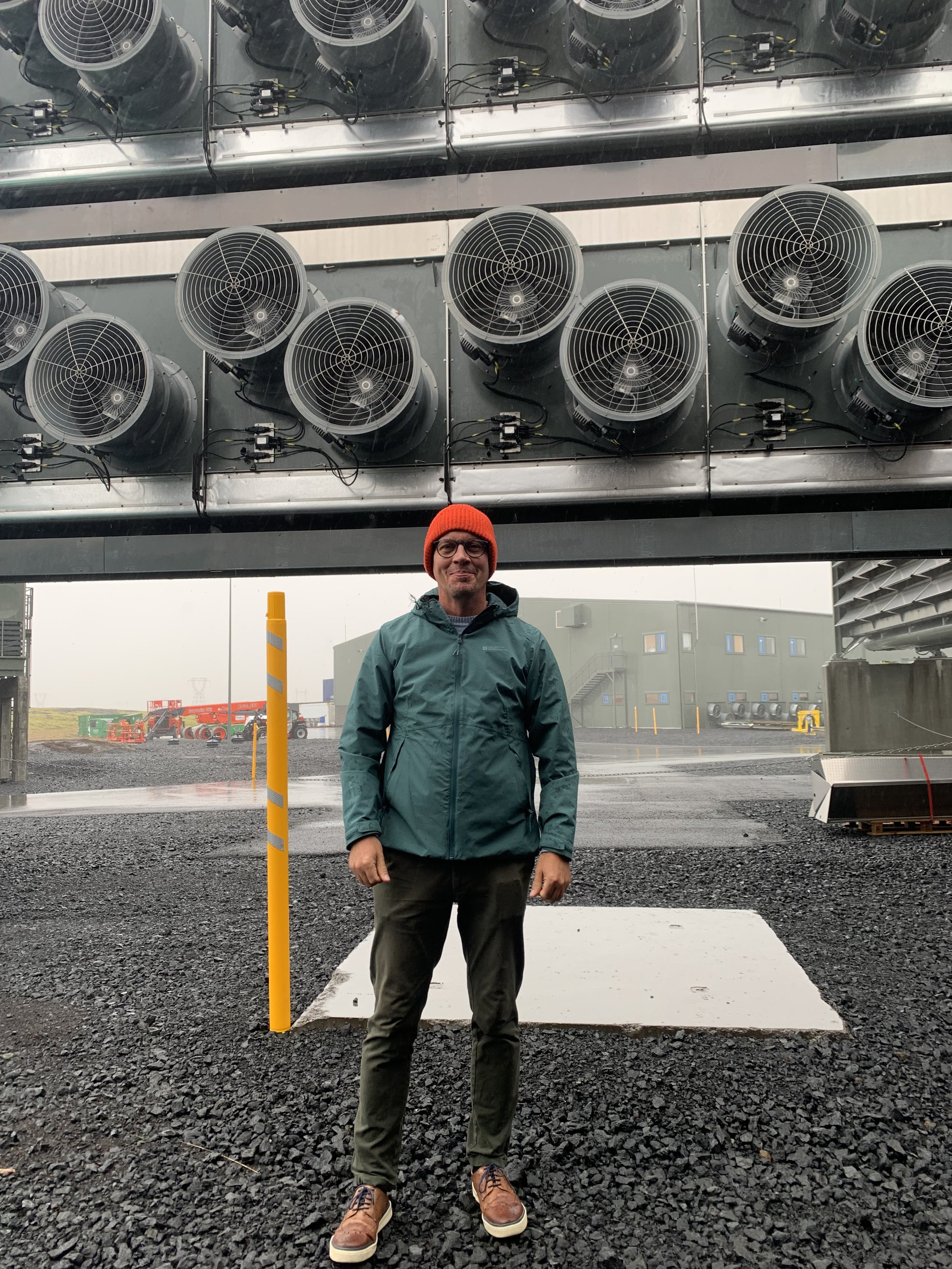
PAUL WEBB
SCHOOL OF CHEMISTRY
Paul Webb’s research focusses on carbon capture and utilisation as a route to de-fossilising the chemical industry. He focuses on BECCUS and Power-to-X concepts as routes for integrating a renewable energy system with chemical manufacturing.
TOPIC LEADS
CLIMATE & CULTURE
Steering Group Members:
JAMES PALMER
MARA VER DER LUGT
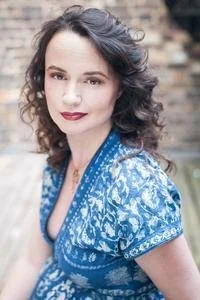
SARA LODGE
SCHOOL OF ENGLISH
Sara Lodge continues to work as a speechwriter in the background of her academic role which involves climate communication among other adjacent topics (women’s rights and education).
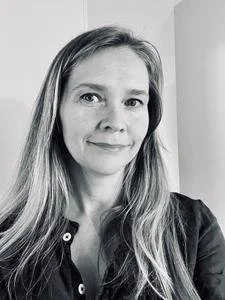
PHILIPA LOVATT
DEPARTMENT OF FILM STUDIES
Philippa Lovatt is a film scholar working on environmental histories and futures in contemporary artists’ moving image and sonic arts practice.
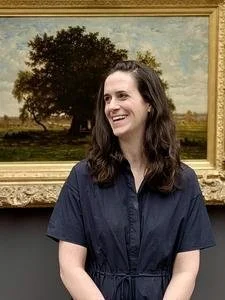
Stephanie o’rourke
SCHOOL Of ART HISTORY
Stephanie O’Rourke is a historian of eighteenth- and nineteenth-century art and its relationship to resource extraction, media technologies, and scientific knowledge.
TOPIC LEADS
FUNDAMENTALS & IMPACTS
Steering Group Members:
Michael Byrne
GRAEME MACGILCHRIST
TOM COWTON
SCHOOL OF GEOGRAPHY & SUSTAINABLE DEVELOPMENT
Tom Cowton is a glaciologist specialising in the processes that control the response of ice sheets to climate change, and the impacts that changing ice sheets have on the surrounding environment.
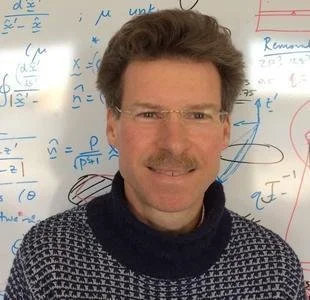
DAVID DRITSCHEL
SCHOOL OF MATHEMATICS & STATISTICS
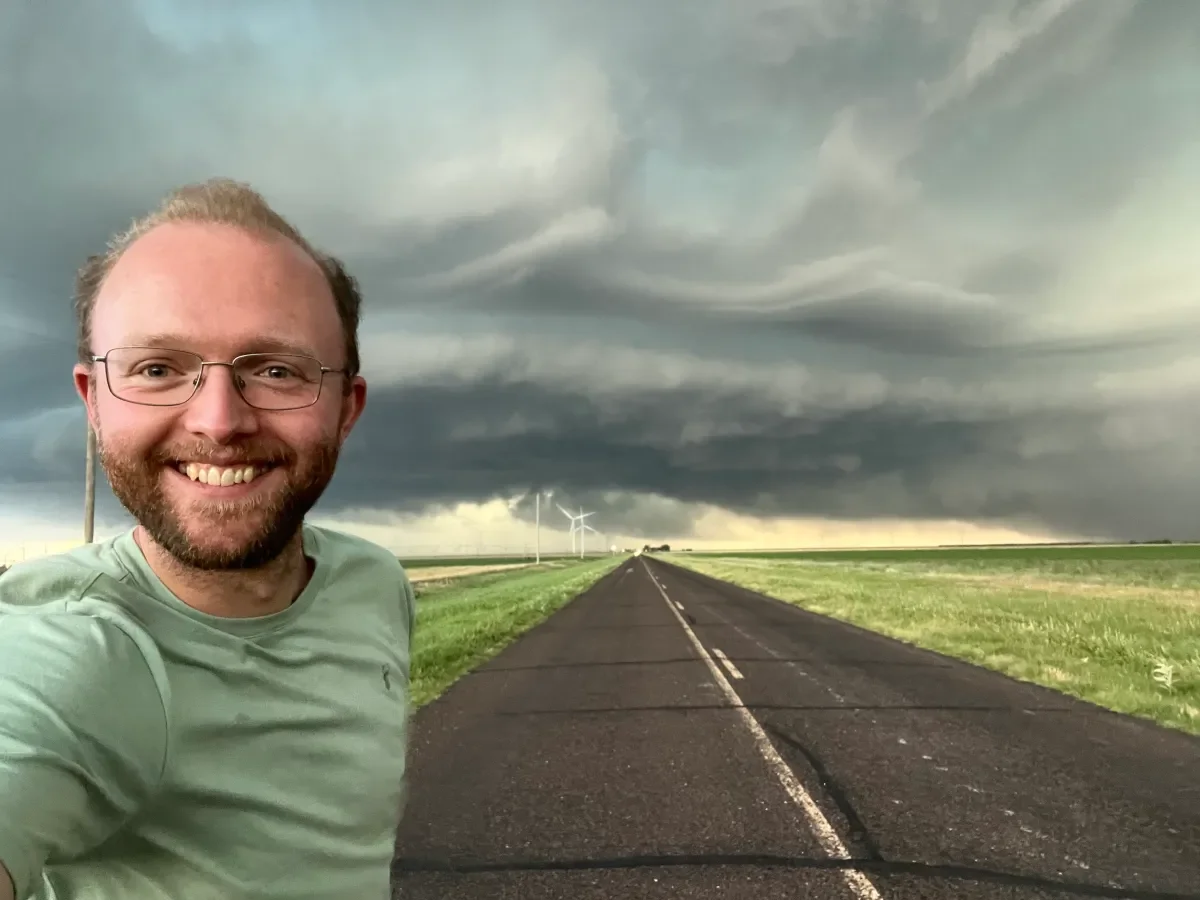
SIMON LEE
SCHOOL OF EARTH & ENVIRONMENTAL SCIENCES
Simon Lee is an atmospheric scientist broadly interested in the large-scale dynamics of the atmosphere and its role in weather and climate variability, predictability and change.
TOPIC LEADS
ENVIRONMENTAL HISTORY
Steering Group Members:
ANDREA BURKE
JASON KöNIG
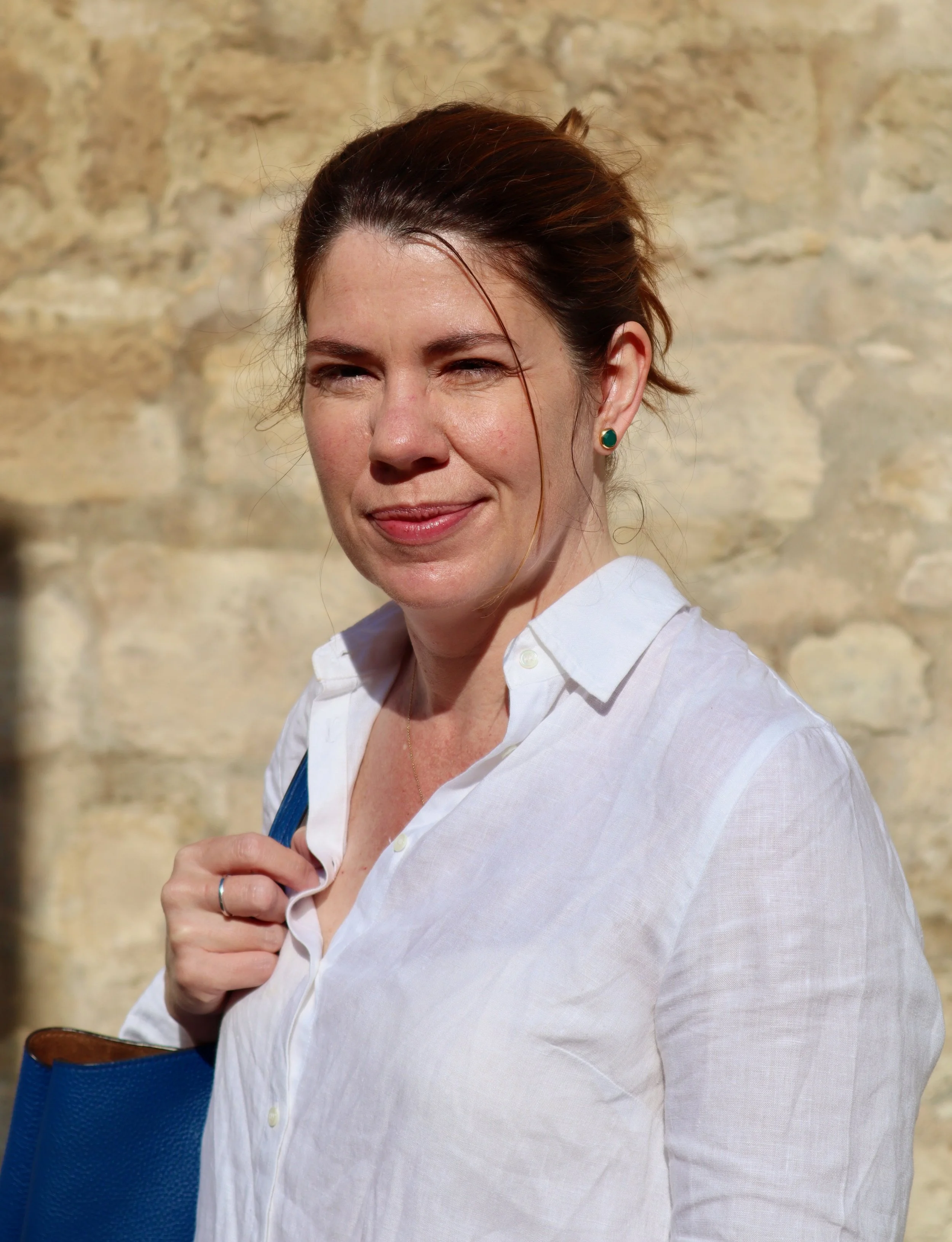
JUSTINE Firnhaber-Baker
SCHOOL OF HISTORY
Justine Firnhaber-Baker is interested in the socio-political effects of the Little Ice Age and plague in medieval Europe, particularly as related to inequality and elite power.
RUBEN POST
SCHOOL OF CLASSICS
Ruben explores the relationship between climate change, broader environmental change, and societal change in the first millennium BCE Mediterranean, particularly the impact of volcanically induced climate shocks on the societies of ancient Greece..
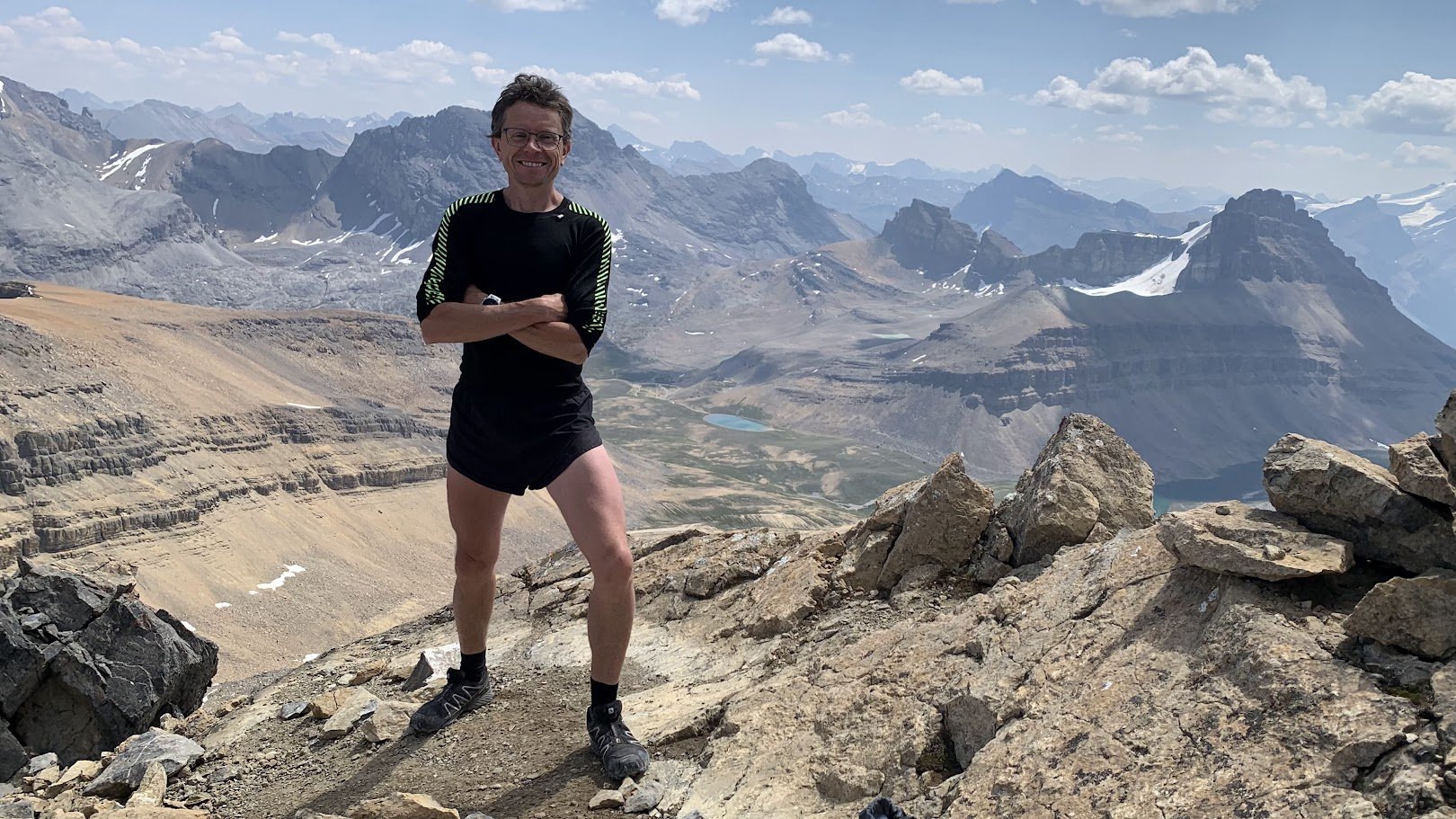
ROB WILSON
SCHOOL OF EARTH & ENVIRONMENTAL SCIENCES
Rob’s research uses tree rings to investigate past climate variability, woodland ecological processes and carbon sequestration, alongside the societal impacts of climate change. He also specialise in dendro-historical dating, applying tree-ring techniques to archaeological and historical questions.
TOPIC LEADS
CLIMATE, HEALTH & WELLBEING
Steering Group Members:
Michael Byrne
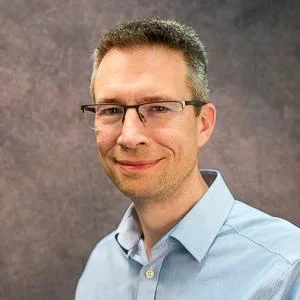
NICK FEASEY
SCHOOL OF MEDICINE
Nick Feasey is interested in exploring the intersection of infection and climate change and food security. He is particularly interested in using complexity approaches to understand how climate change, infectious disease and socioeconomic pressures interact, with feedbacks, nonlinear effects and emergent consequences that cannot be understood by studying infection, malnutrition or climate in isolation.