

Climate research and solutions for societal benefit
IMPACT
Our research plays a critical role in informing society of the risks and opportunities of a changing climate, and how they can be addressed through climate solutions. Results from the Centre’s research informs policy at the highest levels, contributing across the scope of the Intergovernmental Panel on Climate Change (IPCC). We also work actively with commercial and industrial partners, including through executive education programmes and consultancy. We target areas where our expertise across disciplines adds particular value: for instance, ethical questions surrounding geoengineering, critical minerals, or Early Warning Systems; strategies for societal resilience to changing climates; and how different Earth system components may combine to provide innovative carbon removal solutions.
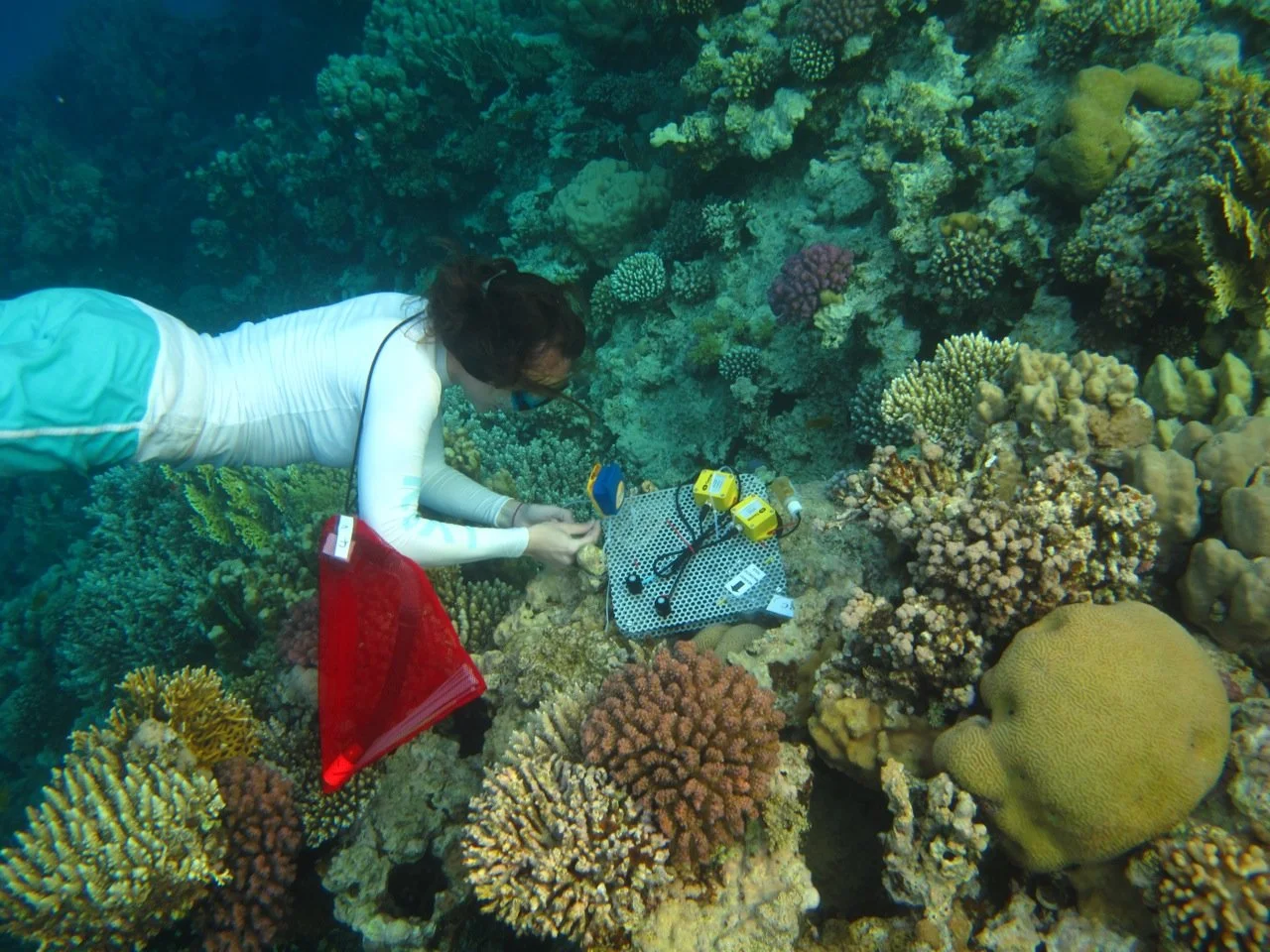

CLIMATE SOLUTIONS
Finding robust, scalable, and sustainable solutions to climate change is one of society’s greatest challenges. The Centre for Changing Climates takes on this challenge, exploring ways in which society can mitigate future change and adapt to what’s already in the pipeline. We are particularly interested in questions at the interfaces of disciplines: for instance in the cultural dimensions of new technology adoption or how CO2 removal from the atmosphere might be accelerated through novel farming practices or reaction with industrial by-products. The philosophical and ethical dimensions of climate solutions are another key area of expertise, including greenhouse gas accounting, investment strategies, and geoengineering.
POLICY AND LEADERSHIP
The results of our research are used to inform decision making at the highest level. Research from the Centre is used extensively within the Intergovernmental Panel on Climate Change (IPCC), providing the evidence base for national and international action on climate. In addition to underpinning understanding of current and future change, we tackle critical policy-relevant questions at disciplinary boundaries: for instance, how the lifetimes of different greenhouse gases impact the economic and ethical dimensions of mitigation pathways; and the assumptions and impacts surrounding discount rates in costing climate interventions. The Centre works actively with policy experts to ensure research findings reach the areas in which they can make a difference.
RESEARCH ON REAL-WORLD PROBLEMS
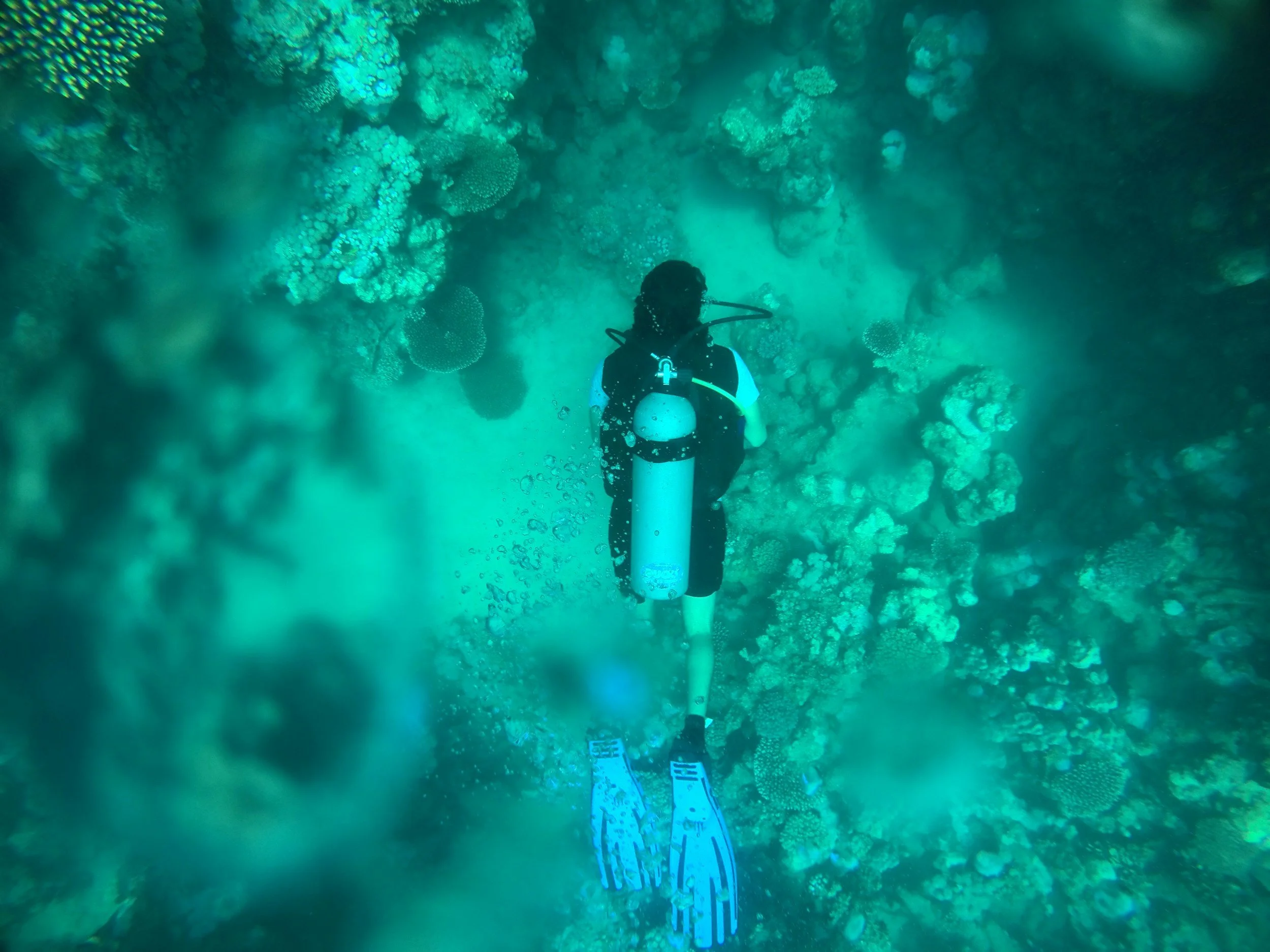
Climate change impacts span a diverse array of natural and human systems. Research at the Centre helps society to understand and better predict what lies ahead. Areas of interest include the future of heatwaves and droughts, climate sensitivity to CO2 change, changes in the distribution of pathogens and their vectors, the potential for collapse of Atlantic circulation systems, and the fate of coral reefs – among many others.
EDUCATION AND ENGAGEMENT
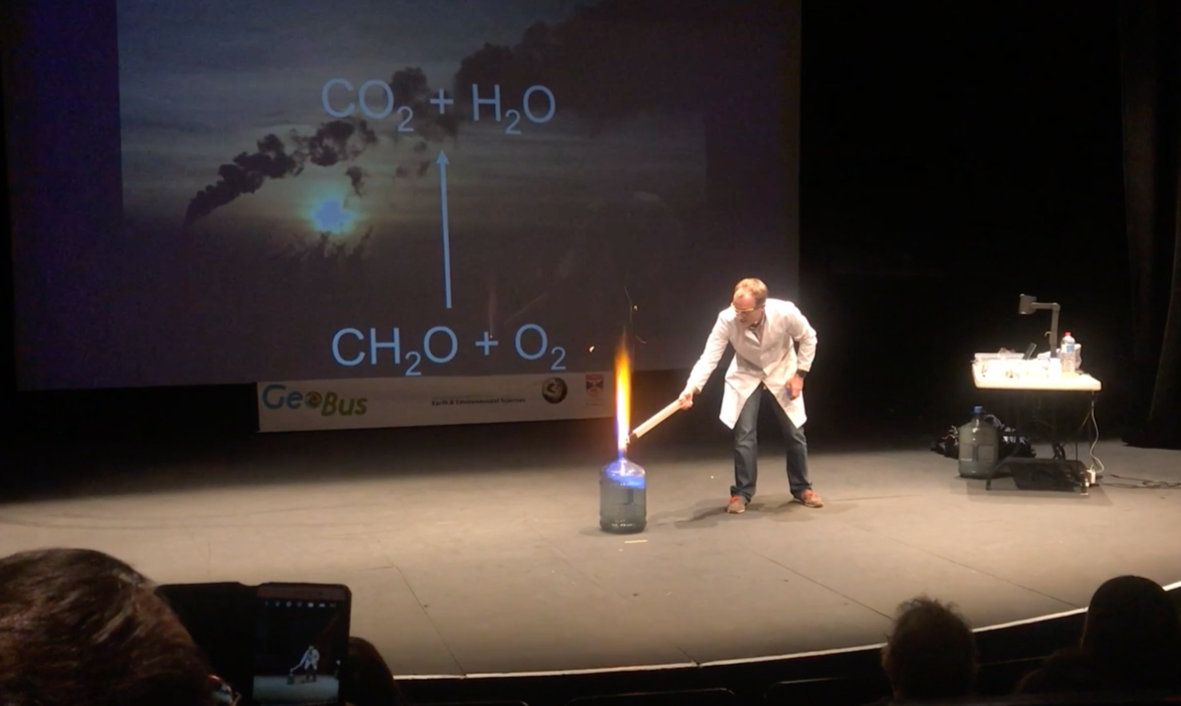
We capitalise on our expertise in climate change across a wide range of disciplines to engage the public and educate current and future generations of climate researchers and decision makers. Outreach events and media help inform public understanding and our Geobus programme brings hands-on activities into schools. Our Cultural Connections programme harnesses St Andrews leading profile in the creative arts to engage audiences in climate through literature, poetry, music, and film. The results of our research inform St Andrews world renowned teaching programmes, bringing the latest findings in climate to students across different degree streams, including through the Changing Climates Graduate School . And our Executive Education Programmes train corporate and public decision makers on the risks and opportunities of a changing climate.